Common Nissan Dashboard Warning Lights and What They Mean
When a dashboard light pops on during your drive around Tucson, it's easy to hope it'll disappear on its own. But those little icons are your vehicle's way of speaking up—and knowing what they mean can save you time, money, and stress. At Thoroughbred Nissan, drivers often ask what certain lights indicate and whether they should pull over or keep going. That's exactly why understanding Nissan dashboard warning lights matters. A glance at the symbols can tell you a lot about your vehicle's health, especially when you know the difference between a steady light and one that's flickering or flashing.
Let's break down the most common alerts you'll see in Nissan models like the Rogue, Altima, Sentra, and others, and why staying on top of them keeps your vehicle running smoothly in the Arizona heat.
Key Takeaways
- Dashboard lights are your vehicle's built‑in communication system.
- A steady light usually means "check soon," while a flashing light signals urgency.
- Understanding Nissan warning symbols and their meaning helps prevent bigger problems.
- Regular maintenance keeps warning lights from becoming major repairs.
- Thoroughbred Nissan is your go‑to resource for accurate diagnostics and repairs.
Why Dashboard Lights Matter More Than You Think
|
Modern Nissans are packed with smart technology designed to protect you and your vehicle. When something isn't operating the way it should, the car doesn't wait—it alerts you. Some lights are simple reminders, while others are early warnings that something needs attention before it becomes a bigger issue. And here's something many drivers don't realize: the behavior of the light matters just as much as the symbol itself. A steady glow usually means "check this soon," while a flashing or flickering light often signals something more urgent. Ignoring either one isn't worth the risk, especially when the desert climate can make small problems escalate quickly. |
 |
Common Nissan Dashboard Warning Lights and What They Mean
 |
1. Check Engine LightThis is the one everyone recognizes, and it's a big part of the conversation about what the Nissan check engine light means. A steady check engine light typically points to something like a loose gas cap, a sensor issue, or a minor emissions concern. But a flashing check engine light? That's a sign of a misfire or a more serious engine problem that shouldn't wait. Pull over safely and get your Nissan checked as soon as possible. |
 |
2. Battery/Charging System WarningIf the battery symbol lights up, your vehicle may not be charging properly. It could be the alternator, battery, or wiring. A steady light means the system isn't functioning as it should, while a flickering one may indicate an intermittent connection. Either way, you don't want to get stranded in Tucson's heat with a dead battery. |
 |
3. Brake System Warning LightThis one deserves immediate attention. It may mean low brake fluid, worn brake pads, or a problem in the braking system. If the light stays on after releasing the parking brake, it's time to schedule service. Brakes are one area where "waiting it out" isn't an option. |
 |
4. ABS Warning LightIn your Nissan dashboard icons guide, the ABS light indicates the anti-lock braking system isn't functioning properly. Your regular brakes may still work, but the added safety of ABS won't be there. A steady ABS light means the system needs inspection soon, while a flickering one could point to a failing sensor. |
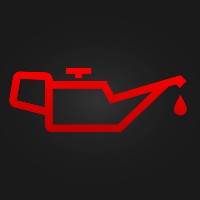 |
5. Engine Oil Pressure WarningThis is one of the most urgent lights you'll ever see. Low oil pressure can cause massive motor damage in minutes. If this light comes on—especially if it flickers while driving—pull over immediately and shut off the engine. It's not worth risking a full engine replacement. |
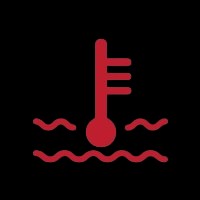 |
6. Coolant Temperature WarningOverheating is a common issue in warm climates, and Tucson is no exception. A steady coolant light means the engine is running hotter than normal. A flashing one means it's overheating right now. Continuing to drive can cause major engine damage, so it's best to stop and let the engine cool. |
 |
7. Low Tire Pressure WarningThis one's familiar to most drivers, especially during seasonal temperature swings. Low tire pressure affects fuel economy, handling, and tire lifespan. If the light stays on after filling your tires, there may be a slow leak or sensor issue. |
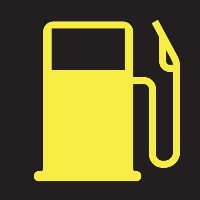 |
8. Low Fuel WarningSimple but important. Running too low on fuel can cause sediment in the tank to clog the fuel system. It's also not great for the fuel pump. When this light comes on, it's best not to push your luck. |
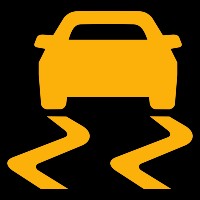 |
9. Vehicle Dynamic Control (VDC) WarningIf this light stays on, the system that helps maintain traction may not be working. It's especially important for drivers who take their Nissan Rogue Altima warning lights seriously, since both models rely heavily on stability control for safe handling. |
Why Getting Service Quickly Matters
 |
Dashboard lights aren't just suggestions—they're early warnings. Addressing them promptly helps:
At Thoroughbred Nissan, technicians use advanced diagnostic tools to pinpoint the exact cause behind any alert. Whether it's a simple fix or something more involved, getting ahead of the issue is always the best move. |
Need Help With a Dashboard Warning Light?
Our expert technicians at Thoroughbred Nissan are ready to diagnose and resolve any warning lights in your Nissan. Don't wait until a small issue becomes a major repair!
FAQ: Nissan Dashboard Warning Lights
Why did my dashboard light turn on suddenly?
Most lights activate when a system detects something outside normal operating conditions. It could be minor—or a sign of something more serious.
Is it safe to drive with a warning light on?
It depends on the light. Some are reminders, while others require immediate attention. When in doubt, get it checked.
What's the difference between a steady and flashing warning light?
A steady light usually means a non‑urgent issue. A flashing or flickering light often indicates a more serious problem that shouldn't wait.
Can I diagnose dashboard lights myself?
You can check basics like tire pressure or a loose gas cap, but deeper issues require professional diagnostics.
How often should I get my Nissan inspected?
Following your maintenance schedule is key, but anytime a warning light appears, it's smart to have it checked.
Expert Nissan Service in Tucson
When a dashboard warning light appears in your Nissan, trust our certified technicians to diagnose and resolve the issue quickly and accurately.